Milwaukee homeowners deal with heavy rain, snow, and constant freeze-thaw cycles. Without the right drainage system, this can quickly lead to roof damage, foundation issues, and costly repairs.
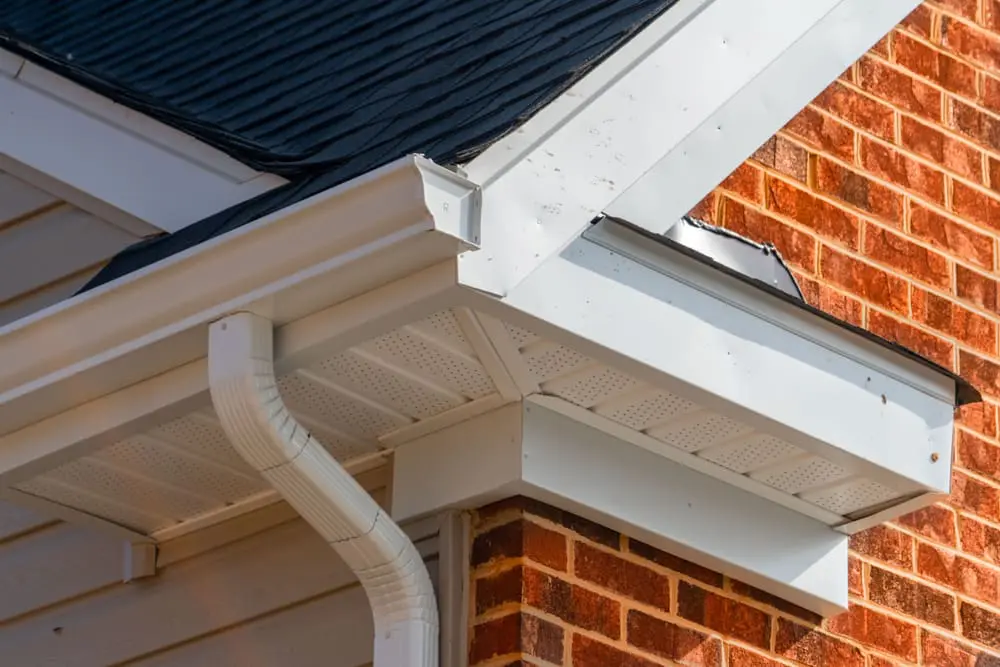
Gutters play a critical role in home protection by directing water away from your roof, siding, and foundation. There are several types of gutters designed for different homes and conditions, including K-style, half-round, box, fascia, and European gutters.
In this guide, our Milwaukee roofing specialists will walk you through the different types of gutters and how to choose the right system for your home.
The 5 Main Types of Gutters Every Milwaukee Homeowner Should Know
There are several types of rain gutters commonly used on Milwaukee homes, each offering different benefits in terms of style, material, and performance.
Seamless Gutters (Superior Choice)
Seamless gutters are created as one continuous piece, custom-fit to the length and shape that best fits along the roof’s edge. They offer the best protection against leaks, clogs, and weak points that can lead to water overflow or sagging over time. This is an important benefit for your roofline, siding, and foundation, especially in Milwaukee’s heavy rain and snow conditions.
At Larson & Keeney Home Services we offer premium seamless gutters through our Gutter Shutter system installation services.
K-Style Gutters (Most Common Choice)
K-style gutters are the most widely used option in Milwaukee, found on about 90% of homes. They have a flat back and a decorative front that resembles crown molding, giving them a clean, modern look.
They come in aluminum, steel, and copper, with aluminum being the most popular due to its durability in Wisconsin’s freeze-thaw climate.
Standard sizes include 5-inch and 6-inch options, and with proper installation and maintenance, they typically last 20+ years.
Half-Round Gutters (Traditional Style)
Half-round gutters have a smooth, rounded shape and are commonly seen on older or historic homes. They offer a classic appearance but carry less water than K-style systems, which can be a drawback during heavy Milwaukee storms.
They’re typically made from copper or aluminum. While their smooth interior can help reduce buildup, proper sizing and maintenance are essential, especially in colder climates.
Box, Fascia, and European Gutters (Specialty Options)
These types of house gutters are less common but serve specific architectural or performance needs.
Box Gutters
- Designed for large roofs or commercial buildings
- Built to handle high water volume
Fascia Gutters
- Integrated into the roofline
- Offer a sleek, modern appearance
European Gutters
- Deeper version of the half-round design
- Often used in custom or high-end homes
These systems usually require professional installation due to their complexity.
Gutter Materials: What Works Best in Milwaukee’s Climate
Choosing the right gutter material is just as important as choosing the right style. The best types of gutters for Milwaukee homes are those that can handle snow, ice, and temperature swings.
The following gutter materials work best in Milwaukee’s climate:
Aluminum Gutters (Most Versatile)
Aluminum is the most common choice for residential homes.
Why it works well:
- Lightweight but durable
- Rust-resistant
- Performs well in cold climates
- Available in many colors
It’s also one of the most cost-effective options, making it a great fit for most homeowners.
Steel and Copper (Premium Durability)
If you’re looking for long-term durability, it may be worth investing in higher-end materials like steel or copper. These materials are often used for homes that need extra protection or a more upscale look.
Steel gutters:
- Extremely durable
- Great for heavy snow loads
- Can rust over time without proper care
Copper gutters:
- Long lifespan (often 50+ years)
- Develop a natural patina over time
- Higher upfront cost
Vinyl Gutters (Budget Option)
Vinyl gutters are the most affordable types of gutters. However, they have some limitations in cold weather performance. They often require more frequent gutter replacement, which could end up costing you more money over time.
Pros:
- Low upfront cost
- Easy to install
Cons:
- Can crack in cold temperatures
- Shorter lifespan
- Not ideal for harsh winters
How To Choose the Right Gutter Type for Your Home
When comparing types of gutters for homes, there’s no one-size-fits-all solution. The best choice depends on your home’s age, style, budget, and climate needs.
A professional roof assessment will evaluate roof pitch, drainage needs, and fascia condition to find the right system.
Assess Your Home’s Specific Needs
Start by assessing your home’s basic needs:
- Roof size and slope
- Water runoff volume
- Existing fascia condition
Larger or steeper roofs typically require wider types of gutters and downspouts to prevent overflow and pooling.
Budget and Long-Term Value Considerations
It’s easy to focus on upfront cost, but long-term performance has a bigger impact on your budget.
Consider:
- Cheaper materials may need replacement sooner
- Higher-quality systems reduce maintenance
- Better drainage protects your foundation
If you’re unsure what makes sense for your home, a quick professional roof inspection can help you avoid costly mistakes.
Milwaukee Weather Factors
Local climate is a major factor in gutter selection. In Milwaukee, gutters must handle:
- Heavy spring and summer rainfall
- Snow accumulation in winter
- Freeze-thaw cycles that cause expansion and ice buildup
Poorly sized or improperly installed systems often lead to issues like overflow, ice dams, and premature wear. Choosing the right material and size helps ensure reliable year-round performance.
Understanding Gutter Components and Sizing
Gutters are part of a complete drainage system. Understanding how all components work together helps ensure water is properly directed away from your home.
Downspouts and Drainage Components
Downspouts move water from the gutters down and away from your foundation.
Key factors include:
- Round vs. rectangular downspouts
- Correct sizing based on roof area and rainfall volume
- Strategic placement to prevent pooling near the foundation
For improved drainage, extensions or underground systems can help carry water farther away from the home.
Gutter Protection Systems
Gutter protection systems help reduce clogs and lower maintenance needs by keeping debris out while allowing water to flow through.
Common options include:
- Leaf guards
- Mesh screens
- Full gutter covers
Many homeowners choose gutter guards and protection systems as an added layer of protection to improve performance and reduce seasonal cleaning.
Common Gutter Selection Mistakes Milwaukee Homeowners Make
Choosing the wrong gutter system can lead to costly issues, especially in Milwaukee’s tough climate. One of the most common mistakes is choosing gutters based on price alone instead of climate and performance needs.
Here are some other common mistakes to avoid:
Sizing and Capacity Errors
Undersized gutters are a frequent issue and can quickly lead to drainage problems. Proper sizing based on roof area and local rainfall is essential for reliable performance in Milwaukee.
When gutters are too small, it can result in:
- Water overflow
- Foundation damage
- Soil erosion around the home
Homes with larger roofs often need 6-inch gutters instead of standard 5-inch systems to handle higher water volumes.
Material Mismatching
Using incompatible materials can reduce system lifespan and cause long-term damage.
Common issues include:
- Mixing metals that lead to corrosion
- Materials that expand and contract at different rates
- Incompatible gutter and roofing material pairings
Choosing proper materials helps ensure the system performs well, lasts longer, and requires fewer repairs over time.
Professional Installation vs DIY: What Milwaukee Homeowners Need to Know
While some minor gutter repairs can be handled on your own, full gutter installation is best left to professionals. A professional gutter installation ensures accurate sizing and safe setup, and warranties may be available for added protection.
Code Compliance and Permits
In Wisconsin, gutter systems must follow local building and drainage codes. Depending on the size and scope of the project, permits may be required for full replacements or major upgrades. Working with a licensed contractor makes sure everything is up to code and avoids potential compliance issues.
Installation Challenges in Milwaukee Climate
Milwaukee’s weather makes gutter installation more demanding. Snow, ice, and freeze-thaw cycles can put extra stress on the system throughout the year.
Proper slope, secure fastening, and correct downspout placement are essential to prevent overflow, ice dams, and premature wear. Because of these conditions, even small installation errors can lead to costly issues later.
FAQ Section
1) What type of gutters work best in Wisconsin winters?
The best types of gutters in Wisconsin are K-style aluminum gutters with proper slope and adequate downspouts. These perform best in Wisconsin’s freeze-thaw cycles, offering durability and ice dam resistance.
2) How do I know what size gutters I need for my home?
To determine the right size gutters, calculate based on your roof square footage and local rainfall intensity. Most Milwaukee homes need 5-inch gutters, but larger roofs require 6-inch systems.
3) Are seamless gutters worth the extra cost?
Yes, seamless gutters reduce leak points by 90% and last longer in harsh climates, making them cost-effective long-term investments.
Contact Larson & Keeney Home Services Today for Professional Gutter Help
Choosing the right types of gutters is pivotal in protecting your home. With so many options available, it helps to have guidance from local experts who understand Milwaukee’s weather.
At Larson & Keeney Home Services, we provide:
- Expert gutter assessments
- Professional gutter installation and replacement
- Solutions built for Wisconsin conditions
If you’re considering new gutters or want to upgrade your current system, our team is here to help. Get a free, no-obligation estimate today and make sure your home is ready for every season.