
Understanding Your Home Insulation Options
Home insulation is a key component of keeping you and your family warm in the winter and cool in the summer. Not only does efficient insulation regulate the temperature in your home, but it lowers your energy bill too. But how do you know what insulation material and service is best for your home? Rest assured, Larson & Keeney Home Services (LKHS) is here for you to provide you with honest information and advice to reach your desired home insulation goals.
Cellulose vs. Fiberglass Insulation: Key Differences
If you’re planning on upgrading or replacing your insulation, the most important factor to consider is the insulation material. The material of the insulation significantly impacts how energy-efficient it will be. When you’re looking for insulation, knowing the difference between cellulose and fiberglass insulation can help you make a more informed choice for your home’s needs.
| Cellulose Insulation | Fiberglass Insulation |
|
|
Is Cellulose Insulation Better Than Fiberglass?
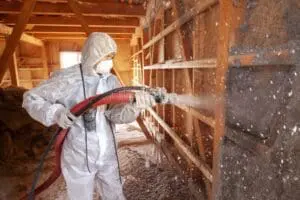
At LKHS, we specialize in cellulose insulation because it provides effective thermal resistance and can help improve your home’s energy efficiency when properly installed. In addition, it’s made with an eco-friendly composition, which contributes to sustainable practices and a greener planet.
Cost Comparison: Fiberglass and Cellulose Insulation
When comparing the costs of fiberglass and cellulose insulation, it is important to consider both initial installation costs and the long-term value they offer. Fiberglass insulation tends to be more cost-effective at the outset, making it a go-to option for those seeking a more budget-friendly choice for insulation. However, cellulose insulation, although it can have a slightly higher initial cost, often delivers superior performance in terms of energy efficiency. Its denser composition allows for better coverage and enhanced thermal resistance, which can translate to lower energy bills and improved comfort over time.
Fiberglass may have a lower initial installation cost, while cellulose’s dense composition can help reduce air movement through insulated areas and limit sound transmission. Long-term value depends on installation quality, insulation levels, and your home’s specific needs. Ultimately, the decision between the two options should be based on a balance between upfront investment and the potential savings on energy costs, as well as the specific needs of the home or building. Understanding these nuances ensures homeowners can make a well-informed decision that maximizes both short-term and long-term benefits.
The Benefits of Insulation Installations With LKHS
High-Performance Materials
We believe in setting the standard for excellence right from the start, and it all begins with choosing the best insulation material for you. We supply only the best, industry-leading products to make your home as energy-efficient as possible. Cellulose insulation provides effective thermal resistance and can help maintain comfortable indoor temperatures throughout the year. It’s renowned for its exceptional thermal resistance and ensures that your home stays cozy all year round.
Sustainable and Eco-Friendly Solutions
In our commitment to being a sustainable roofing contractor, we offer cellulose insulation crafted from recycled paper products. By choosing Larson & Keeney Home Services, you not only enhance your home’s comfort but also contribute to waste reduction and eco-friendly practices that reduce your carbon footprint.
Expert Installation from Certified and Licensed Technicians
Our team of seasoned experts is committed to tailoring our insulation installations to suit your home’s needs. Whether it’s your attic, walls, or any other space, rest easy knowing that our certified and licensed technicians will deliver durable products and top-quality services that add longevity and value to your home.
Proudly Serving These Wisconsin Cities
We are proud to serve several cities in Wisconsin, including: Milwaukee, Kenosha, Racine, Greenfield, Whitefish Bay and other service areas.
Why Choose Larson & Keeney Home Services
Experience and Excellence
Larson & Keeney Home Services boasts a proven track record built on years of delivering top-notch insulation services.
Customer Approval
Our satisfied clientele serves as a testament to the effectiveness of our cellulose insulation installations.
Professionalism Guaranteed
Entrust your home to licensed and insured experts, ensuring peace of mind throughout your entire insulation journey.
Schedule an Insulation Consultation
If you’re interested in insulation services and like to know more about how we can turn your home into an energy-efficient haven, reach out to Larson & Keeney Home Services – today for a consultation.
Our team of technicians provide reputable insulation and roofing replacement services in West Allis, Wisconsin. Discover firsthand how our cellulose insulation services can elevate your comfort and improve your home’s energy efficiency.