Quick Summary:
- Common Warning Signs: Uneven temperatures, rising energy bills, recurring ice dams, and thin or damaged insulation may be signs of a poorly insulated attic.
- Recommended Insulation Levels: Wisconsin falls within climate zones 5 and 6, where recommended attic insulation levels depend on your home’s existing insulation and condition.
- Next Steps: A professional assessment helps identify insulation gaps, air leaks, and moisture problems before recommending improvements.
A chilly upstairs bedroom, rising heating bills, or thick ice along your gutters could point to a poorly insulated attic. Without enough insulation, your home loses heat during Wisconsin’s cold winters and gains unwanted warmth in summer, making it harder to stay comfortable.
At Larson & Keeney Home Services, we’ve helped Wisconsin homeowners address attic insulation problems since 2009. We know the signs of poor insulation aren’t always obvious, even when your home feels uncomfortable. In this guide, we’ll walk you through the seven warning signs, what causes insulation to lose effectiveness, and the steps to take before investing in improvements.
What Does a Poorly Insulated Attic Actually Look Like?
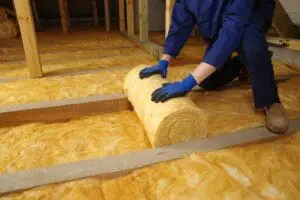
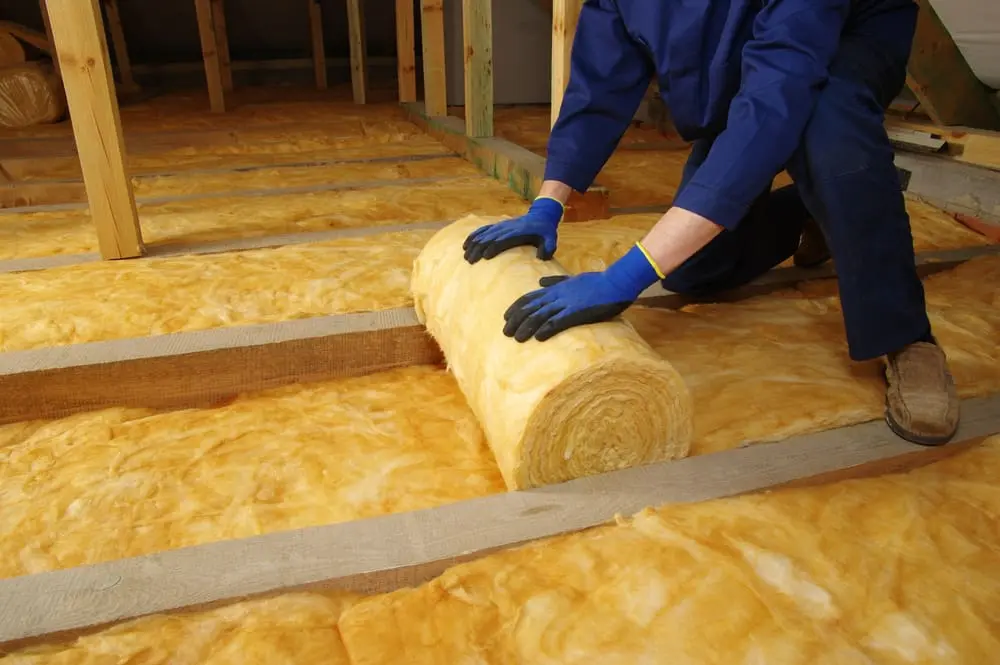
Attic insulation slows heat transfer between your living space and the attic. When it’s too thin, compressed, or missing in spots, heat moves through your ceiling more easily. Bare patches and uneven coverage are warning signs, but even a fully insulated attic may fall short of recommended levels.
R-value measures how well insulation resists heat flow, with higher numbers indicating greater resistance. The type and depth of insulation already in your attic help determine whether you’re getting enough protection.
Why Attic Insulation Matters in Wisconsin’s Climate
Wisconsin falls within climate zones 5 and 6, which simply means our cold winters call for higher insulation levels. The U.S. Department of Energy recommends R-49 to R-60 for uninsulated attics in these zones, though your home’s needs depend on what’s already installed. Wisconsin’s long heating season makes attic heat loss especially costly, while summer heat entering through the roof can leave upstairs rooms uncomfortable.
7 Warning Signs Your Attic Is Poorly Insulated
- Uneven Room Temperatures: Is your upstairs noticeably colder in winter or warmer in summer? Insufficient attic insulation may be letting heat escape or enter, though HVAC issues can cause similar problems.
- Rising Energy Bills: If your heating or cooling costs keep climbing, attic heat loss could be contributing. Compare bills from similar seasons, accounting for weather and any utility rate changes.
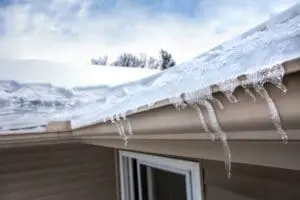
- Ice Dams Along Your Roof: Heat escaping into the attic can melt roof snow, which refreezes along the eaves. That ice buildup may trap water against your roof and contribute to ice dam and gutter problems.
- Thin or Patchy Insulation: Exposed ceiling joists, bare spots, or uneven coverage may mean you need more attic insulation. Schedule a professional assessment to confirm whether your attic meets recommended R-values.
- Drafts Near the Ceiling: Cold spots around attic hatches or ceiling fixtures often point to air leaks. These gaps need proper sealing, even when insulation levels are adequate.
- Moisture or Mold: Damp insulation, condensation, or water stains may indicate warm indoor air leaking into your attic. Roof leaks and poor ventilation can also contribute.
- Pest Activity: Rodents and squirrels may burrow through insulation and leave droppings behind. Extensive damage or contamination may require removing and replacing the affected material.
How Poor Attic Insulation Contributes to Moisture, Mold, and Ice Dams
Adding insulation without correcting the source of moisture may leave the underlying problem unresolved. Ice dams and attic moisture can cause damage that isn’t immediately visible from inside your home. Water trapped behind ice dams may seep beneath shingles, while humid air leaking into a cold attic can condense on roof decking and encourage mold growth.
What Causes Attic Insulation to Fail in the First Place?
Your attic might have plenty of insulation yet still struggle to retain heat. Some attic insulation problems develop over time, while others start with gaps or uneven coverage right after installation.
Age and Settling of Blown-In Insulation
Blown-in insulation, especially loose-fill cellulose, may settle after installation. Installers account for normal settling, but uneven or unexpectedly shallow coverage can leave areas with less insulation than intended.
Air Leaks Around Attic Openings and Fixtures
Gaps around attic hatches, recessed lights, and plumbing or wiring openings allow heated air to escape into the attic. Our team seals these openings before installing new insulation because insulation alone won’t stop air moving through them.
Pest Damage and Contamination
Pest activity can compress, displace, or contaminate insulation. Before replacing damaged material, you’ll also need to address how the animals entered the attic to prevent the problem from returning.
What a Poorly Insulated Attic Actually Costs Wisconsin Homeowners
- Higher Energy Bills: An under-insulated home forces your heating system to work harder to maintain comfortable temperatures during Wisconsin winters. Even if your thermostat stays at the same setting, you may notice higher energy use during cold weather.
- Roof and Gutter Damage: Recurring ice dams may allow water beneath shingles, damaging roof decking, fascia, and interior ceilings. If winter storms worsen existing roof damage, you may also need storm damage repairs to address leaks before fixing the attic insulation.
- Moisture-Related Repairs: Persistent condensation may damage wood framing or insulation, especially when air leaks and ventilation problems go unaddressed. Fixing the moisture source early helps prevent further deterioration.
- Potential Upgrade Costs: Adding insulation to an otherwise healthy attic may involve less work than removing contaminated material and correcting air leaks first. Eligible Wisconsin homeowners may be able to offset costs through Focus on Energy rebates.
What to Do If You Suspect a Poorly Insulated Attic
Here’s what you should do if you’ve noticed the warning signs of a poorly insulated attic:
- Check What You Can Safely See: From a safely accessible attic opening, look for bare spots, uneven insulation, water stains, or signs of pests. Avoid stepping on insulation or ceiling drywall, and leave hard-to-reach areas to a professional.
- Schedule an Attic Inspection: A professional attic inspection uncovers insulation gaps, air leaks, and moisture damage that aren’t visible from the attic entrance. Our team can help determine which problems need attention before insulation work begins.
- Consider a Home Energy Audit: If you’re dealing with high energy bills or uneven temperatures throughout your house, a home energy audit provides a broader look at how your home uses energy. Our BPI-certified Energy Analysts evaluate insulation, air leakage, and other factors affecting efficiency.
- Choose the Right Insulation Solution: Depending on your attic’s condition, you may need additional insulation or a full replacement. At Larson & Keeney Home Services, our attic insulation services focus on removing old material, sealing air leaks, and installing insulation suited to your home’s needs.
A poorly insulated attic can leave you wondering why certain rooms never feel comfortable or why your energy bills keep climbing. Before spending money on new insulation, you deserve to know what’s actually causing the problem.
Improve Your Home’s Comfort With Better Attic Insulation