Roof insurance claims can feel overwhelming after a major Milwaukee storm, especially if you’re dealing with missing shingles, leaks, hail damage, or fallen debris.
Understanding how roof damage insurance claims work can help you move through the process more confidently and avoid costly mistakes.
At Larson & Keeney Home Services, we’ve spent years helping Milwaukee-area homeowners navigate roof damage inspections, insurance documentation, and long-term roofing solutions. In this guide, we cover the roof insurance claims process and when to schedule a professional roof inspection, so you can protect your home and peace of mind.
Understanding How Roof Insurance Claims Work
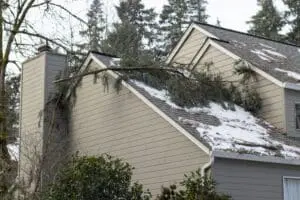
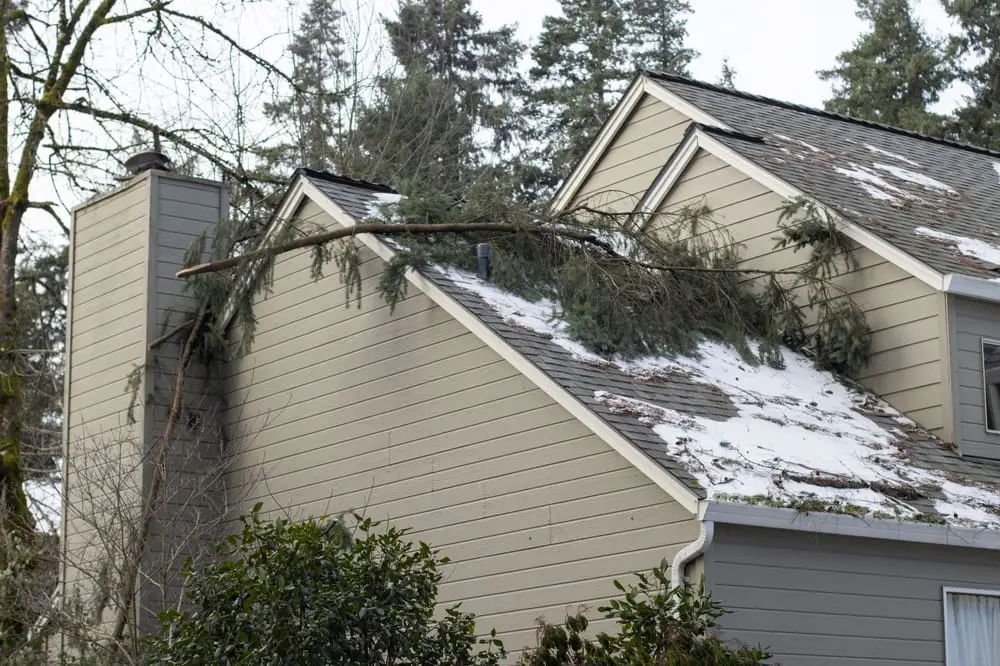
How do roof insurance claims work? The roof insurance claims process begins when your home experiences sudden or accidental damage caused by a covered event. Common examples include hailstorms, wind damage, falling tree limbs, or severe winter weather.
Once damage is discovered, you should:
- Document the damage
- Contact your insurance provider
- Schedule an inspection
- Meet with an insurance adjuster
- Receive a claim determination and estimate
- Complete approved repairs or replacement
During a roof inspection, insurance adjusters look for the cause of damage, severity, and whether it’s covered under your policy.
In Wisconsin, claim timelines can vary depending on storm severity, claim volume, and the extent of the damage. After major storms in Milwaukee, claim processing may take longer due to increased regional demand.
What Insurance Companies Evaluate
Insurance adjusters assess several factors during a roof inspection, including:
- Age of the roof
- Overall roof condition before the storm
- Signs of maintenance issues
- Storm-related damage patterns
- Missing or lifted shingles
- Water intrusion or leaks
- Structural concerns
Adjusters also look for evidence that separates sudden storm damage from normal wear and tear. Older roofs with pre-existing issues may receive reduced payouts depending on policy coverage and depreciation.
Types of Coverage: ACV vs. Replacement Cost Value
There are two general types of policy coverage for roof insurance claims:
- Actual Cash Value (ACV): Pays the depreciated value of your roof based on age and condition. This means older roofs typically receive lower payouts.
- Example:
If your roof replacement costs $15,000 but depreciation reduces its value to $8,000, the insurance company may only pay the lower amount minus your deductible.
- Example:
- Replacement Cost Value (RCV): Pays for the full cost of replacing the roof using similar materials, minus the deductible.
- RCV policies generally provide better financial protection for homeowners, especially for newer roofs or full roof replacements.
If you’re unsure what type of coverage you have, your insurance provider can explain your policy details before repairs begin.
Types of Roof Damage Covered by Insurance
Most homeowners’ insurance policies cover roof damage caused by sudden and accidental events. According to the National Weather Service, some of the most common covered weather-related issues in Milwaukee are:
- Hailstorms
- High winds
- Fallen trees or debris
- Ice dam-related water intrusion
- Heavy snow damage
- Lightning or fire damage
Insurance claims for roof damage typically do not cover wear and tear, poor maintenance, or cosmetic damage.
If your roof was recently impacted by severe weather, a professional storm damage assessment can help identify issues that may qualify for insurance coverage.
Hail Damage
Hail damage is one of the most common reasons homeowners file roof insurance claims in Wisconsin. Even small hailstones can crack shingle surfaces, remove protective granules, weaken seal strips, and create soft bruising spots. Larger hailstones may also damage flashing, skylights, gutters, siding, and roof vents.
Because many impacts are difficult to see from the ground, detailed photo documentation is critical for roof damage from hail insurance claims.
Wind Damage Claims
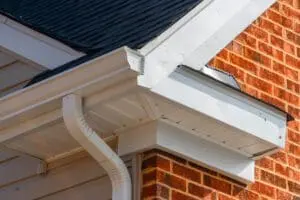
Strong winds can damage your roof even without immediate leaks. Common wind damage roof insurance claims involve lifted or creased shingles, torn flashing, missing ridge caps, detached gutters, and exposed decking.
Insurance adjusters typically inspect for directional damage patterns, missing materials, uplift pressure, and signs of water penetration beneath shingles.
Ice Dam and Snow Load Damage
Wisconsin winters can create serious roofing problems, especially from ice dams and heavy snow buildup. Ice dams form when attic heat melts snow unevenly, causing water to refreeze near the roof edges and block drainage.
Your coverage often depends on policy language and roof maintenance history. Preventive measures like proper insulation, ventilation, air sealing, and routine roof inspections can help reduce ice dam risk.
Step-by-Step Process for Filing Your Roof Insurance Claim
Filing roof insurance claims is much easier when you understand what to expect during each stage of the process. Acting quickly, documenting everything carefully, and working with experienced professionals can help reduce delays and improve claim accuracy.
Here’s how roof insurance claims work:
Immediate Steps After Discovering Damage (Days 1-3)
After discovering roof damage, focus on safety and document the issue. Take clear photos of visible damage, interior leaks, or fallen debris, and contact your insurance company as soon as possible to begin the claims process.
Professional Inspection and Documentation (Days 4-14)
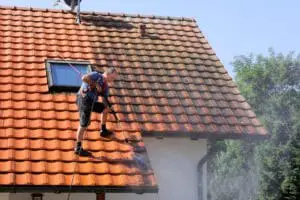
A professional roof inspection helps identify visible and hidden storm damage before the insurance adjuster’s visit. A roofer can provide detailed documentation, photos, and repair recommendations that support the claim and help ensure all damage is properly evaluated.
Claim Review and Negotiation (Days 15-45)
Once inspections are complete, the insurance company reviews the adjuster’s findings and issues an estimate for approved repairs or replacement. You should carefully review the settlement details, including depreciation and coverage limits, and work with your contractor if additional documentation or estimate revisions are needed.
Common Mistakes That Can Hurt Your Claim
Filing roof insurance claims can be stressful, and small mistakes during the process may lead to delays, reduced settlements, or claim denials. Here are some common mistakes that can hurt your claim:
- Filing claims for normal wear and tear or maintenance issues
- Inadequate documentation of damage and its cause
- Accepting the first settlement offer without proper evaluation
- Hiring contractors before insurance approval (when required)
- Missing claim filing deadlines in Wisconsin
- Taking poor-quality photos or failing to document damage timelines
- Choosing contractors without proper licensing or insurance experience
At Larson & Keeney Home Services, our Milwaukee roofing contractors provide detailed inspections, clear communication, and transparent recommendations backed by years of local expertise.
Working Effectively With Insurance Companies and Contractors
Working with both your insurance company and roofing contractor can help make the roof insurance claims process smoother and less stressful.
Maximizing Your Claim Settlement
To help maximize your claim settlement, provide thorough documentation and carefully review the insurance estimate before approving roof repairs. In some cases, additional storm damage or code-required upgrades may require supplemental documentation from your contractor.
It’s also important to understand how depreciation works and whether recoverable depreciation applies under your policy. If disputes arise, additional inspections or professional guidance may help clarify the scope of covered damage.
Choosing the Right Milwaukee Roofing Contractor
Choosing the right contractor is a critical part of the claims process. Look for licensed and insured Milwaukee roofing contractors with experience handling storm damage and insurance-related repairs.
Avoid contractors who use high-pressure sales tactics, offer unusually low pricing, or guarantee claim approvals after storms. Reputable contractors focus on quality workmanship, honest communication, and long-term protection for your home.
Get Help Navigating Your Roof Insurance Claim
If you suspect storm damage, don’t wait to have your roof inspected. At Larson & Keeney Home Services, we provide thorough inspections, detailed documentation, and trusted guidance to help Milwaukee homeowners file roof insurance claims with confidence.
Schedule a roof inspection today to get started.
Frequently Asked Questions
How long do I have to file a roof insurance claim in Wisconsin?
Most insurance policies require homeowners to report roof damage within one year of the storm or damage event. However, it’s always best to contact your insurance company as soon as damage is discovered.
Will filing a roof insurance claim increase my premiums?
Weather-related claims are often considered “acts of God” and may not directly increase premiums. However, multiple claims over time could affect future rates depending on your insurance provider.
Can I choose my own roofing contractor for insurance repairs?
Yes. Wisconsin homeowners have the right to choose their own contractor for roof repairs or replacement work, even if the insurance company recommends preferred vendors.
What if my insurance claim is denied?
If your claim is denied, you can appeal the decision, request a re-inspection, hire a public adjuster, or consult with an attorney specializing in insurance law.
Do I pay my deductible directly to the insurance company?
Typically, you pay your deductible directly to the roofing contractor once approved repair or replacement work begins.