Quick Summary:
- Why Ice Dams Form: Heat escaping into your attic warms the roof, melting snow that refreezes along the colder edges and creates a ridge of ice.
- How to Prevent Them: Proper attic insulation and air sealing help keep roof temperatures consistent, reducing the melting and refreezing that causes ice dams.
- What to Do Before Winter: Have your attic insulation and air leaks assessed before freezing weather arrives. Heat cables may help manage ice buildup, but they don’t address the underlying heat loss.
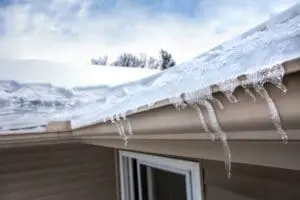
Wisconsin winters put your roof to the test. When snow starts piling up, a thick ridge of ice along your gutters can trap melting snow and force water beneath your shingles, leading to leaks and costly damage. The frustrating part? That buildup often starts with heat escaping from inside your home.
At Larson & Keeney Home Services, we know effective ice dam prevention starts in the attic. That’s why we look at insulation coverage, air leaks, and ventilation together before recommending improvements. In this guide, we explain what causes ice dams and what you can do before winter arrives.
What Causes Ice Dams — and Why Your Attic Is the Root Problem
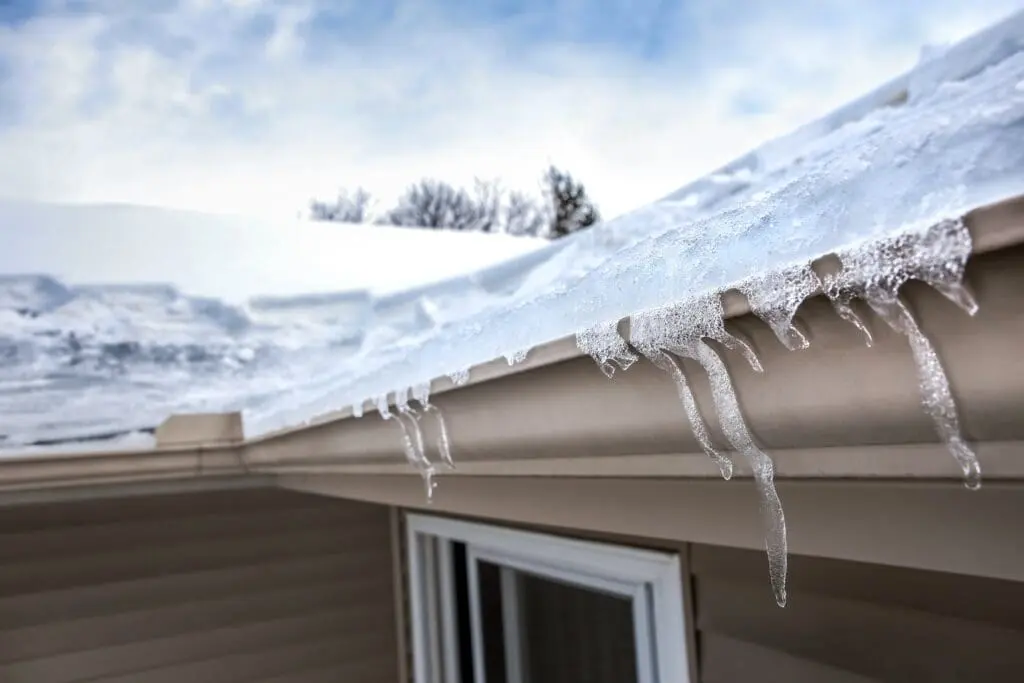
Ice dams form when snow melts on a warmer section of your roof and refreezes near the colder edges. As the ice builds up, it creates a barrier that prevents additional meltwater from draining.
The process usually follows three steps:
- Warm air and heat escape from your living space into the attic.
- That heat warms portions of the roof deck, causing the snow above to melt.
- Meltwater travels toward the colder roof edges, where it freezes and gradually forms an ice dam.
The connection between attic insulation and ice dams comes down to controlling that unwanted heat loss. When your attic lacks adequate insulation or has unsealed gaps, more warmth reaches the roof than it should.
How Heat Loss Through the Attic Triggers the Freeze-Thaw Cycle
In a typical vented attic, insulation along the attic floor slows heat transfer from your living space. But thin insulation, gaps near exterior walls, or uncovered attic hatches can create warm spots on the roof. Even if most of your attic has insulation, these weak areas may be enough to contribute to uneven snowmelt.
What Makes the Eave the Danger Zone
Because roof eaves extend beyond your heated living space, they stay colder than the roof above your attic. Meltwater freezes at these edges, forming ice dams that trap water behind them. That water can seep beneath shingles, damaging roof decking, insulation, ceilings, and walls while increasing the risk of mold growth.
How Proper Attic Insulation Helps Prevent Ice Dams
- Reduces Heat Loss and Improves Comfort: Adequate insulation slows heat transfer into the attic, helping keep the roof deck colder during snowy weather while making rooms beneath the attic more comfortable.
- Improves Year-Round Energy Efficiency: Insulation reduces heat loss during winter and limits unwanted heat gain during summer, helping your heating and cooling systems work more efficiently.
- Helps Protect Your Roof and Interior: By reducing the conditions that lead to ice dams, proper insulation lowers the risk of trapped meltwater reaching vulnerable areas of your home.
How to Prevent Ice Dams — The Insulation, Air Sealing, and Ventilation System
Step 1 — Add Adequate Attic Insulation (R-Value Guidance for Wisconsin)
For uninsulated attics in colder climate zones, the Department of Energy’s home insulation guide recommends R-49 to R-60. Your existing insulation level and its condition help determine how much more you need.
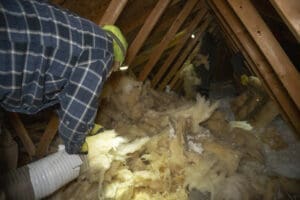
If your insulation is thin or settled, blown-in attic insulation can improve coverage. Proper installation also keeps soffit vents clear so insulation doesn’t restrict airflow.
Step 2 — Seal Attic Air Leaks Before Adding Insulation
Warm air can escape through gaps around plumbing, electrical wiring, recessed lights, attic hatches, and wall top plates. The Department of Energy’s attic air-sealing guide recommends closing these openings before adding insulation, including blocking larger gaps and using appropriate protection around hot flues and recessed lights.
At Larson & Keeney Home Services, we address openings before installing new insulation. Our attic air sealing process helps prevent warm indoor air from bypassing the insulation you’ve invested in.
Step 3 — Ensure Proper Attic Ventilation Works Alongside Insulation
Proper attic ventilation helps maintain consistent roof temperatures by allowing outside air to circulate through the attic. In homes with soffit and ridge vents, insulation baffles help keep airflow paths clear and prevent blown-in insulation from blocking soffit openings.
Common Ice Dam Prevention Mistakes Wisconsin Homeowners Make
- Relying Entirely on Heat Cables: Heat cables help keep drainage paths open, but they won’t fix the heat loss causing ice dams. Use them as a backup, not your main prevention strategy.
- Buying Products Without Checking the Attic: Roof rakes and de-icing products can help, but recurring ice dams may point to attic issues. Check for insulation gaps, air leaks, and ventilation problems before buying another quick fix.
- Adding Insulation Without Air Sealing: Adding insulation over unsealed gaps still allows warm air to escape. Seal those openings first to get the most out of your upgrade.
- Blocking Soffit Vents: Without proper baffles, blown-in insulation can block soffit vents and restrict airflow. Make sure those openings stay clear.
- Assuming Every Leak Is a Roofing Failure: Ceiling stains don’t always mean your shingles have failed. Ice dams can force meltwater beneath them. Schedule roof inspections after winter to identify damage and needed repairs.
Additional Ways to Prevent Ice Dams Before Winter
Do Metal Roofs Prevent Ice Dams?
Metal roofs can reduce ice dam risks because snow can slide off their smoother surfaces more easily, particularly on steeper roofs. However, snow still accumulates around roof valleys, obstructions, and colder edges. Even a metal roof isn’t immune to ice dams when attic heat loss causes uneven melting.
Whole-Home Ice Dam Prevention Systems
Ice-and-water shield membranes installed beneath roofing near the eaves provide another layer of protection where meltwater tends to collect. They help limit leaks if ice dams form, but they won’t stop the ice itself. Homes with a history of ice dams may benefit from checking whether this protection is present when planning roof repairs or replacement.
Pre-Winter Attic Checklist for Wisconsin Homeowners
Before Wisconsin’s first heavy snowfall, take a few minutes to look for warning signs of heat loss through the attic:
- Check Insulation Coverage: Look for thin or missing insulation, especially near exterior walls. Visible attic floor joists may also signal that you need more coverage.
- Look for Air Leaks: Check for visible gaps around attic penetrations and other openings.
- Inspect Soffit Vents: Make sure insulation or debris isn’t blocking airflow.
- Check the Attic Hatch: Confirm the hatch or pull-down stairs have insulation and weatherstripping.
- Watch Your Roof After Snowfall: Uneven snow melting or bare patches surrounded by snow may indicate unwanted heat escaping through the roof.
Get Ahead of Ice Dams With Larson & Keeney Home Services
Ice dams can turn your beautiful Wisconsin snowfall into an expensive headache. At Larson & Keeney Home Services, we’re experts from the attic up, helping you pinpoint attic trouble spots before the next snowstorm rolls in.
Contact our team to schedule a free attic assessment, and stay ahead of roofing and gutter issues with professional ice dam prevention.